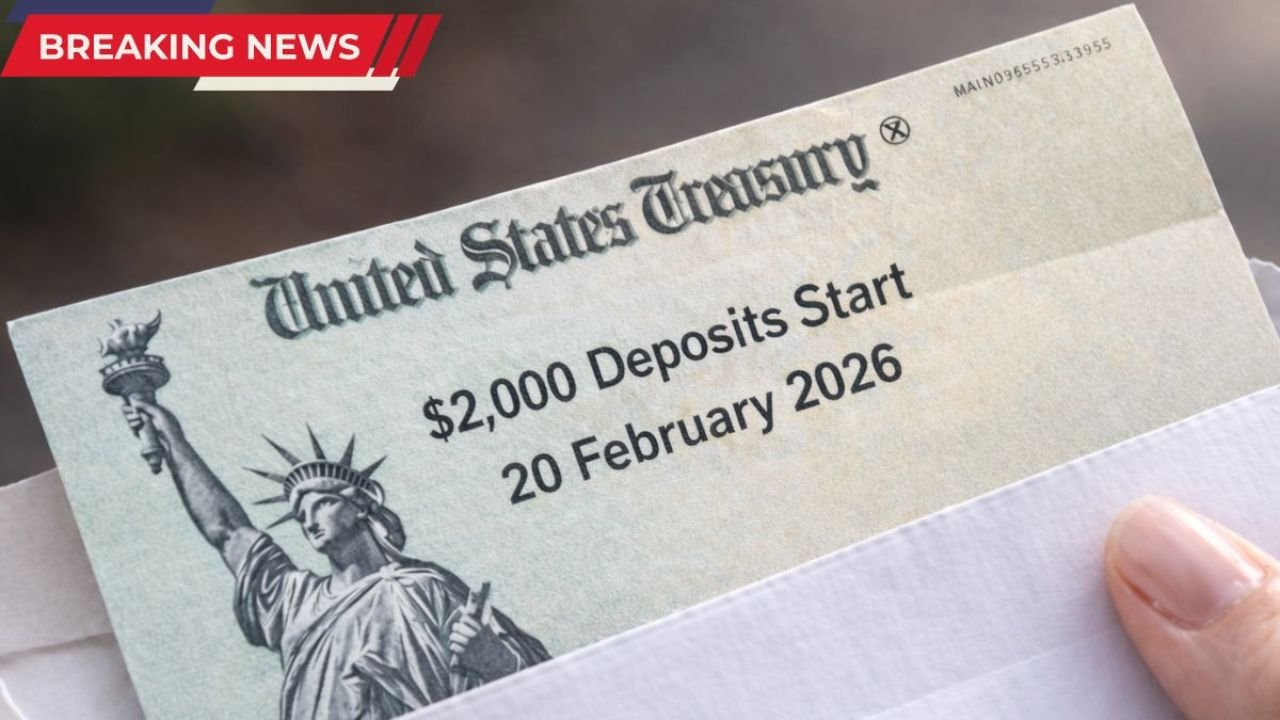
In early 2026, discussions have intensified around a proposed $2,000 direct deposit program slated to begin on February 9, 2026. With living costs—including rent, groceries, utilities, and healthcare—remaining high, many households are looking for short-term financial relief. The initiative is designed as a targeted digital payment system, aiming to deliver funds quickly, securely, and efficiently.
Purpose of the Program
The primary goal of this program is to provide temporary financial assistance through electronic transfers only. By avoiding paper checks, the system minimizes delays and ensures faster access to funds. Digital identity verification and automated approval tools are planned to streamline the process, reduce paperwork, and speed up disbursement. Once eligibility is confirmed, the $2,000 would be transferred directly to the recipient’s verified bank account.
Expected Eligibility Criteria

Eligibility is anticipated to depend on a combination of income limits, residency requirements, and compliance with federal guidelines. Income verification would likely be based on recent tax filings or official government records. Priority processing may be extended to vulnerable groups, including:
- Seniors and older adults
- Individuals with disabilities
- Low-income households
This approach ensures that those with the greatest need receive support as quickly as possible.
Rollout and Important Dates
The program is expected to follow a phased rollout:
- February 1, 2026 – Verification and bank detail updates begin
- February 9, 2026 – Direct deposits start for early verified applicants
- February 20, 2026 – Final deadline to complete verification and update banking information

Missing the February 20 deadline could result in delayed payments, pushed to later phases.
Direct Deposit Details
All payments under this initiative would be issued exclusively through direct deposit. Paper checks are not included. Once approved, funds are electronically transferred to the bank account registered under the verified identity. Accurate banking information is critical, as incorrect details could delay payments. Recipients may receive confirmation notifications after processing.
Safeguards Against Fraud
To protect against fraud and abuse, the system is expected to include strict safeguards:
- Each eligible individual or household receives only one payment
- Bank accounts must match official identity records
- Submission of false or misleading information could result in disqualification or legal consequences
These measures aim to ensure funds reach legitimate recipients efficiently and securely.
Planning Ahead
Households anticipating support from this program should ensure their banking information and identity records are accurate. Staying informed through official government announcements will help avoid misinformation and scams. While the program promises rapid digital delivery, compliance with verification requirements is essential to receive timely payment.
Final Thoughts
The $2,000 direct deposit program represents a modern approach to delivering short-term financial relief. By leveraging digital systems, automated verification, and phased rollouts, it aims to provide support efficiently while protecting against fraud. Accurate personal information, early verification, and adherence to deadlines are key for beneficiaries to receive the full amount without delays.
Disclaimer: This article is for informational purposes only and does not constitute financial, legal, or tax advice. Program details, eligibility rules, and payment timelines depend on official government decisions and may change. Readers should rely on verified government sources for the most accurate and up-to-date information.